
From Revolution to Rivalry: A Historical Retrospective on U.S.–Iran Relations
The U.S.–Iran relationship over the past four decades has been defined less by breakthroughs than by cycles of mistrust, sanctions, and tactical engagement, with narrow agreements repeatedly constrained by enduring strategic rivalry and regional power competition.
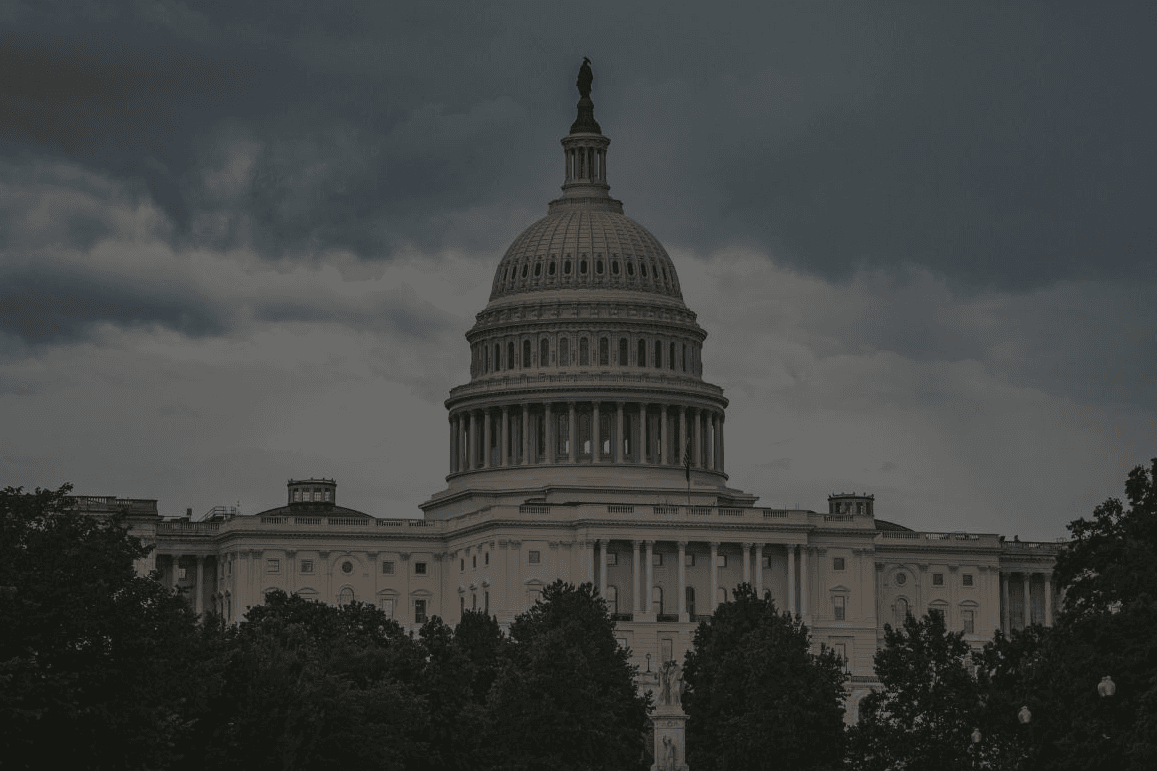
The modern relationship between the United States and Iran has been defined less by diplomacy than by cycles of rupture, recalibration and renewed distrust. Since the 1979 Iranian Revolution severed formal ties and transformed Tehran from a strategic partner into a declared adversary, both nations have navigated a relationship shaped by ideology, deterrence and regional power politics.
The early years of estrangement were marked by hostage diplomacy, sanctions and a widening ideological gulf. Over time, confrontation became institutionalized. Sanctions expanded in scope and sophistication, evolving from asset freezes into a dense web of financial restrictions and secondary measures that now reach far beyond bilateral trade. By the early 2000s, Iran’s nuclear program emerged as the central fault line, drawing international scrutiny and culminating in years of multilateral negotiations.
The 2015 nuclear agreement represented the most significant diplomatic breakthrough in decades. It temporarily narrowed the dispute to technical parameters of enrichment and monitoring. Yet the deal never resolved deeper structural tensions. As Asli Aydintasbas, Fellow at Brookings and Director of the Turkey Project, observes, “President Trump came in, unsatisfied, ripped it up, tore up the agreement, but he’s now stuck pretty much where every U.S. administration has been stuck.” The comment captures a recurring pattern in U.S.–Iran history: administrations inherit the same constraints, even as strategies change.
Parallel to nuclear diplomacy, Iran expanded its regional footprint. Through Hezbollah in Lebanon, militia networks in Iraq and Syria, and support for the Houthis in Yemen, Tehran cultivated asymmetric leverage. These networks allowed Iran to exert influence while maintaining plausible deniability, complicating direct confrontation. Yet this strategy has also exposed Iran to sustained military and political pressure in recent years.
Jonathan Poling, Partner at Akin focused on international trade sanction enforcement and compliance, offers a sobering perspective on the endurance of economic pressure. “There have been many reasons people have grown confident in the past that change would occur within the government of Iran, and they’ve had their hopes dashed,” he notes. His assessment reflects a broader historical lesson: sanctions can constrain but rarely transform entrenched political systems.
Domestic unrest inside Iran has periodically raised expectations of internal change, from the Green Movement in 2009 to more recent waves of protest. Each cycle has underscored generational and economic tensions within Iranian society. Yet the regime has demonstrated resilience, often responding with repression while maintaining strategic continuity.
Across decades, one constant has been mutual miscalculation. Washington has alternated between maximum pressure and cautious engagement. Tehran has oscillated between tactical flexibility and strategic defiance. Each side has sought leverage without triggering full scale war. The result has been a prolonged state of managed hostility.
As 2026 approaches, the historical arc suggests neither dramatic reconciliation nor imminent collapse. Instead, U.S.–Iran relations remain anchored in a pattern forged over four decades: diplomatic openings constrained by security competition, economic pressure balanced against regional deterrence, and a persistent struggle to reconcile narrow agreements with broader mistrust. History indicates that while tactics may evolve, the structural rivalry endures.